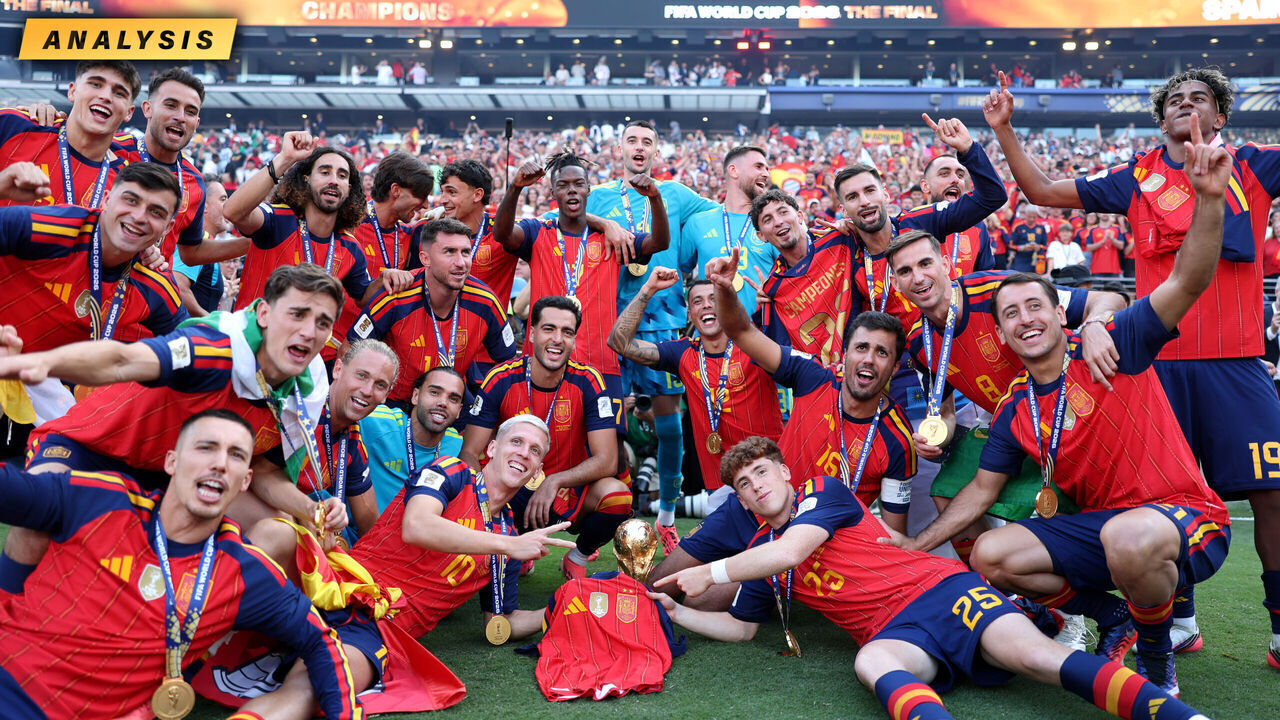
Our soccer writers share their observations and insights throughout the 2026 World Cup. Tap here to see the tournament's final bracket.
Spain leaves no doubt 🏆
It's hard to recall now, but there were doubts about pretournament favorite Spain after its goalless draw with Cape Verde in the Group H opener. Roughly a month later, La Roja put those questions to bed in emphatic fashion.
Spain took down mighty Argentina on Sunday to claim a 1-0 triumph in extra time and earn its second men's World Cup title. The narrow final score doesn't really do justice to La Roja's performance; they absolutely dominated the Albiceleste from start to finish but couldn't score until Ferran Torres broke the deadlock in the 106th minute.
Spain piled up 20 total shots (12 on target) before Argentina even registered its first attempt. That's right, Lionel Messi and Co. didn't have a single shot attempt during regulation, becoming the first team ever without an attempt in the first 90 minutes at a World Cup final. Argentina goalkeeper Emiliano Martinez made 11 saves, the most in the quadrennial tournament's final in the last 60 years. La Roja completed 774 passes against the Albiceleste's 357.
Even before losing Enzo Fernandez - who was sent off in the 93rd minute after receiving his second yellow card - Argentina couldn't do anything.
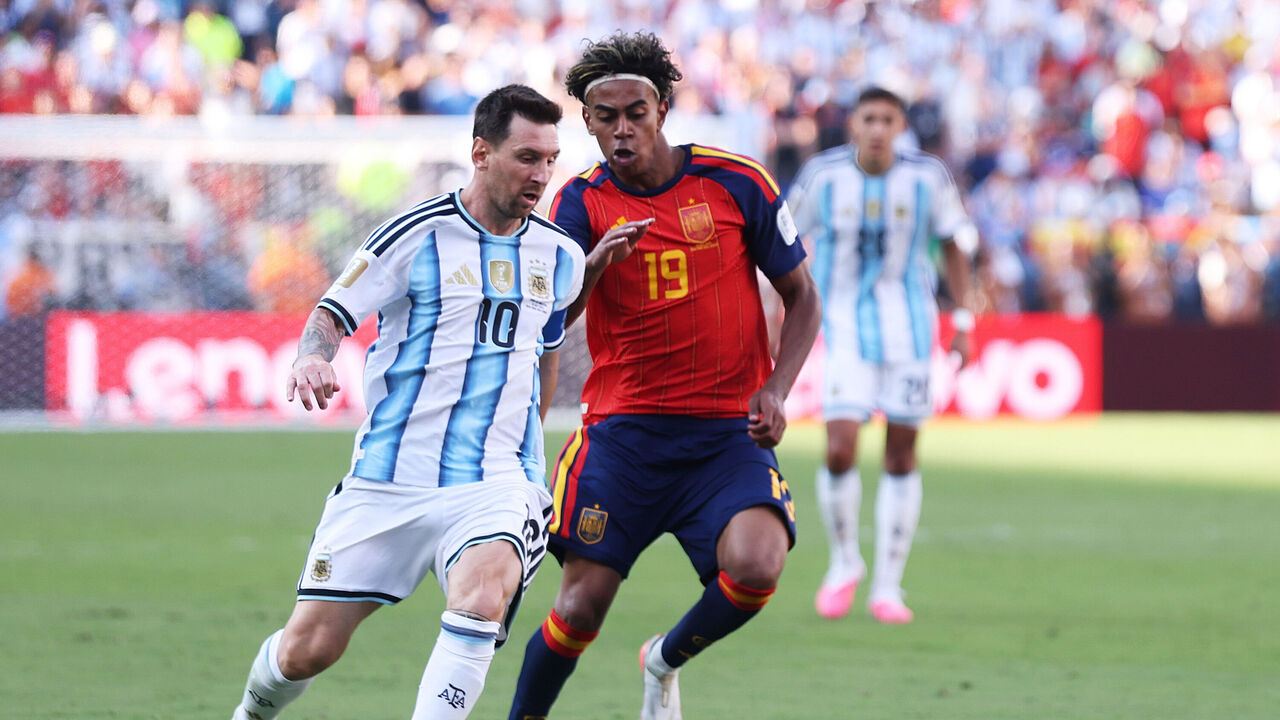
Luis de la Fuente's side didn't boast the competition's most prolific attack - perhaps because Lamine Yamal wasn't at his best after nursing a hamstring injury that almost cost him his participation in the tournament. However, no other team shut down its opponents like Spain, the owner of the world's toughest backline and strongest midfield. Days before completely stopping Messi, La Roja prevailed over France's star-studded attack led by Kylian Mbappe in the semifinal. They allowed two shots on target in those games combined.
Argentina had scored at least two goals in every game before the final in North America. Then, it ran into Spain.
The Spaniards allowed only one goal (in the quarterfinals against Belgium) in the whole tournament, the fewest by a champion in World Cup history. Opponents accumulated just 0.3 expected goals per game when facing La Roja, the best mark by a tournament winner in the last 60 years, according to ESPN.
The Spain side that got a little too cute near the box and couldn't finish against Cape Verde made adjustments and changes to its starting XI. They were key for the nation to cruise through a challenging knockout-stage bracket and achieve World Cup glory, adding a second major trophy to this special Spanish generation after Euro 2024.
France looked like the best team for most of the World Cup. And there were moments we all thought Messi was unstoppable and Argentina would find ways to win against any opponent. Quietly and methodically, however, Spain prevailed over everyone else. In the end, La Roja left no doubt who reigns supreme in international soccer at the moment. - Caio Miari
Messi's legacy intact
Spain's 1-0 victory in the 2026 final over Argentina likely ended Lionel Messi's World Cup career. The 39-year-old isn't expected to play in 2030, although he has yet to officially announce retirement from international soccer.
It's safe to say Messi's Argentina fell well short of expectations Sunday. The Albiceleste didn't register a single shot during regulation, and La Roja had already piled up 20 attempts before Argentina even got its first, already down 1-0. It was a disappointing ending to what could've been a dream swan song for Messi.
The uninspiring loss doesn't damage Messi's legacy with Argentina, though. Not even one bit.
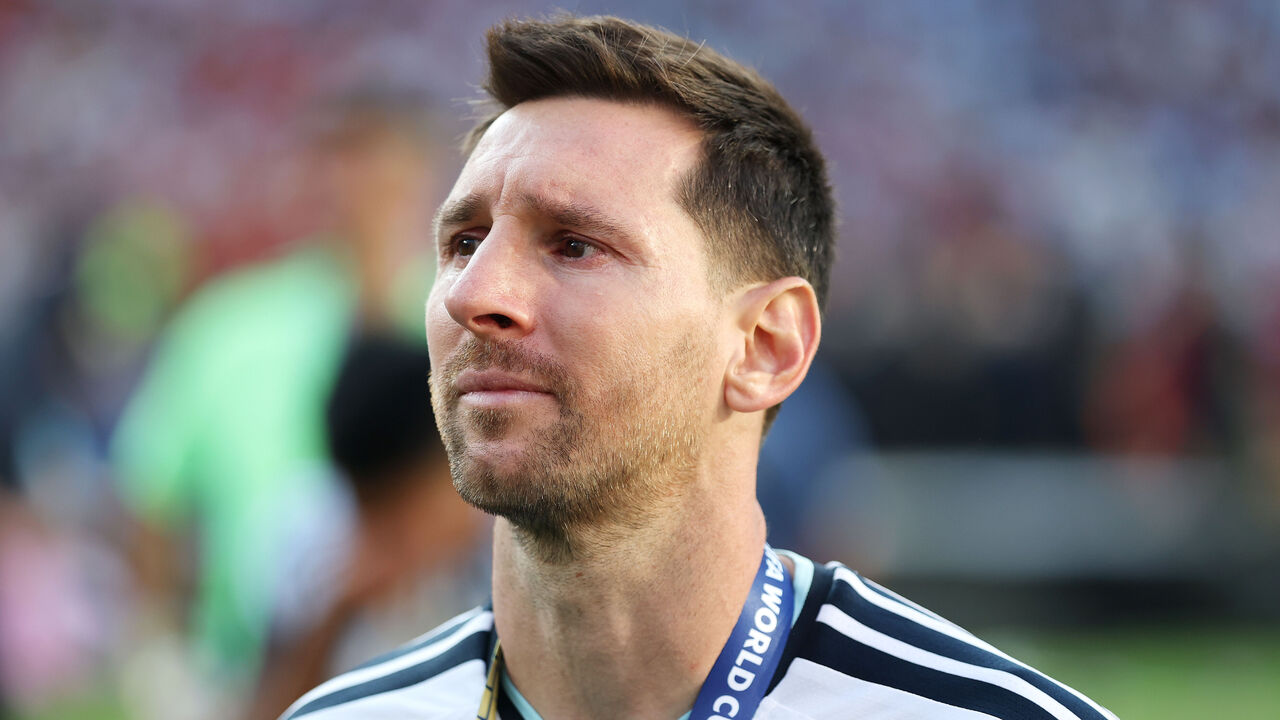
Granted, a second World Cup title possibly would've sealed the debate over who's the greatest Argentine in soccer history. Maybe even the greatest player ever. But those are discussions for the fans. If this is the end for Messi with Argentina, we'll remember his legacy as a challenging but successful one.
Messi guided Argentina to three World Cup finals, winning one (2022) and claiming the Golden Ball as the tournament's best player on two occasions. The Albiceleste have won almost everything since the 2021 Copa America, Messi's first major international title. But it wasn't always like this.
Messi always faced immense pressure to lead his country to titles to fill the large shoes left by Argentina icon Diego Maradona. However, he fell short several times.
The Albiceleste lost three Copa America finals and one World Cup final from 2007-16. Messi even briefly retired from international soccer in 2016, making it look like his redemption moment with his country would never come. He ultimately changed his mind and helped Argentina reach the 2018 World Cup, only for the team to fall in the round of 16.
Then, Argentina found a way to beat host Brazil in the 2021 Copa America final at the iconic Maracana Stadium. Messi himself didn't do much that day; Angel Di Maria scored the game's only goal for the Albiceleste. But that moment seemed to change everything for Messi and his country.
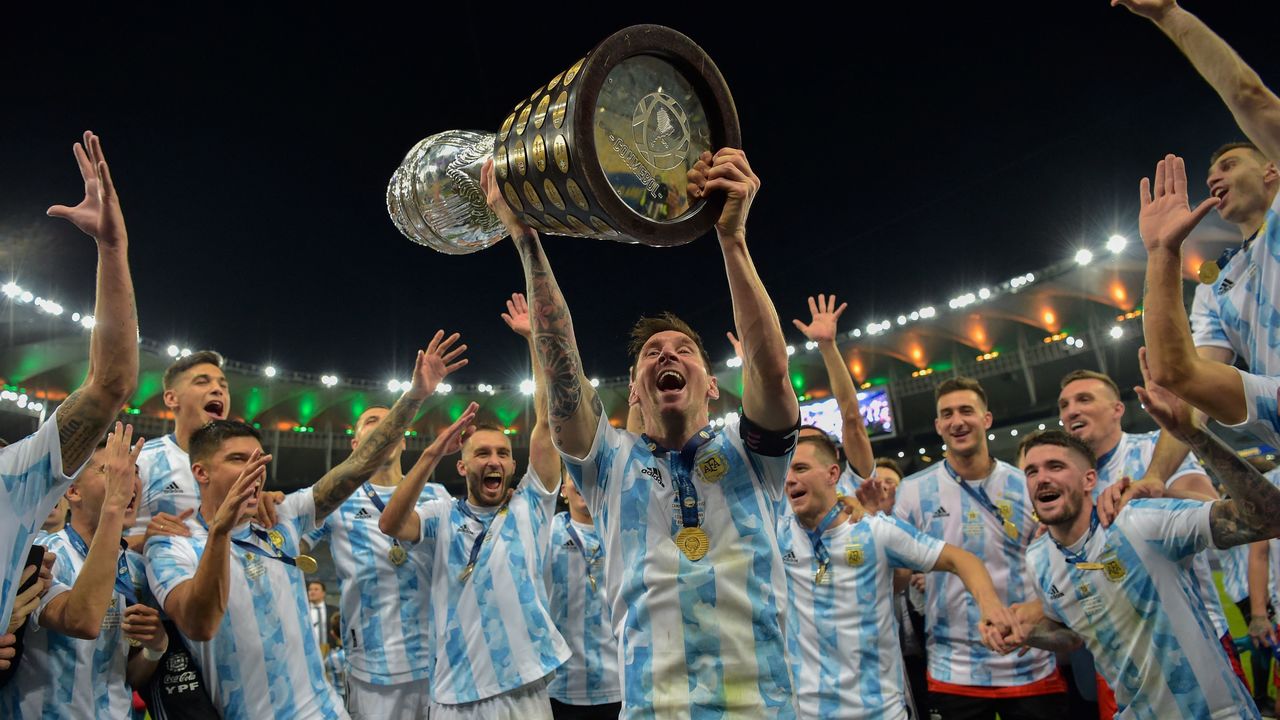
Not only did Messi end Argentina's 28-year title drought, but he put the country back on top of international soccer and accomplished countless milestones, including 21 career World Cup goals. He built an iconic legacy that remains untouched even after a listless outing on soccer's grandest stage. - Caio Miari
Tuesday, July 14
Spain has France's number
Spain took its defensive masterclass to another level Tuesday, shutting down France's star-studded attack in a 2-0 win in Dallas. It was the latest - and most impressive - performance from a team that heads into the final with only one goal allowed in the tournament.
France had an off day (more on that below), but Tuesday's clash is all about Spain and its ability to slow down the competition. Les Bleus were unstoppable for most of the World Cup, yet it looked like a "normal" team against Luis de la Fuente's men. Again.
The highly anticipated contest was a rematch of their Euro 2024 semifinal, when Spain eliminated France with a 2-1 victory en route to a record fourth European title. On the occasion, La Roja came back from an early 1-0 deficit by controlling most of the possession until their well-coordinated group of attackers found the net. We saw something similar at the World Cup, too.
Spain won the possession again. France did finish the match with 44% of the ball, and it had more shots on goal (3-2). However, that's only because La Roja were already up by two before the 60th minute. Spain was the stronger and more comfortable side the entire time. France generated 0.26 in expected goals (xG) against Spain's 1.63.
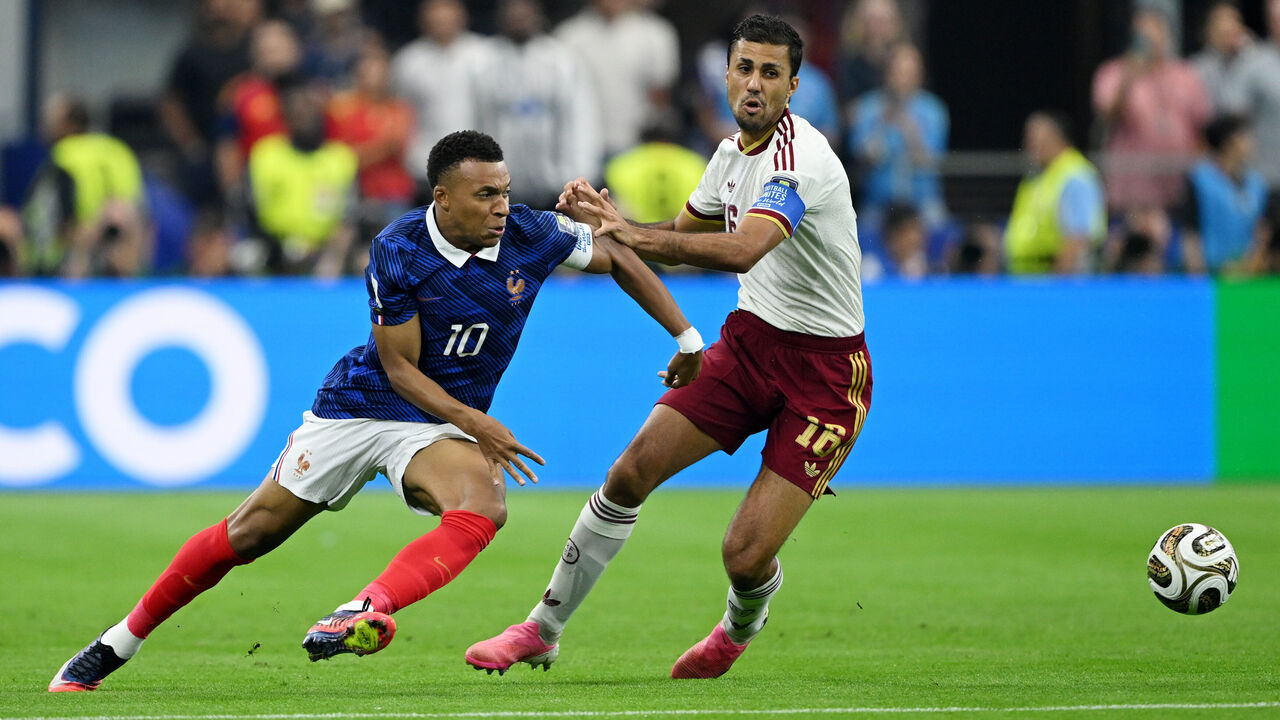
Spain knew that the best way to stop France was to not let it have the ball. That's exactly what La Roja - a side that loves to use possession as an attacking and defensive strategy - did to Les Bleus. Another superb performance from its backline and midfield only made Spain's life easier.
Up front, Lamine Yamal hasn't been as spectacular as we're used to - remember, he entered the tournament nursing a significant hamstring injury - but he continues to look better each game. Spain opened the scoring Tuesday on a penalty after a clever Yamal was fouled in the box. The fact that Spain is into the World Cup final without Yamal being at his best is stunning. It's scary, too, because it feels like he could break out at any moment now; this was the best he's looked all tournament. The 19-year-old is now 6-0 in elimination games against Kylian Mbappe, including at the club level.
We've seen this Spain team get a little too fancy sometimes and not be able to finish well-designed plays. It happened in its shocking goalless draw with Cape Verde during the group stage. But La Roja's resilience and defensive discipline have been brilliant. Yamal and Co. are now one win away from giving Spain a second World Cup trophy. - Caio Miari
How will France bounce back?
France had an uncharacteristically woeful day in its 2-0 loss to Spain that cut Les Bleus' World Cup campaign short in the semifinal. La Roja deserve huge credit for their tactics and overall performance, but even the best teams will have off days sometimes - and that was the case for France on Tuesday.
Bradley Barcola was in the starting XI but fell short of expectations. William Saliba left early with an injury. Lucas Digne gave away a careless foul that resulted in a penalty for Spain. Even Kylian Mbappe and Michael Olise looked human in Dallas; Olise was substituted with France trailing 2-0. France, seeking a third consecutive World Cup final appearance, just wasn't on its game. Even simple passes were going astray in Dallas. Nothing worked.
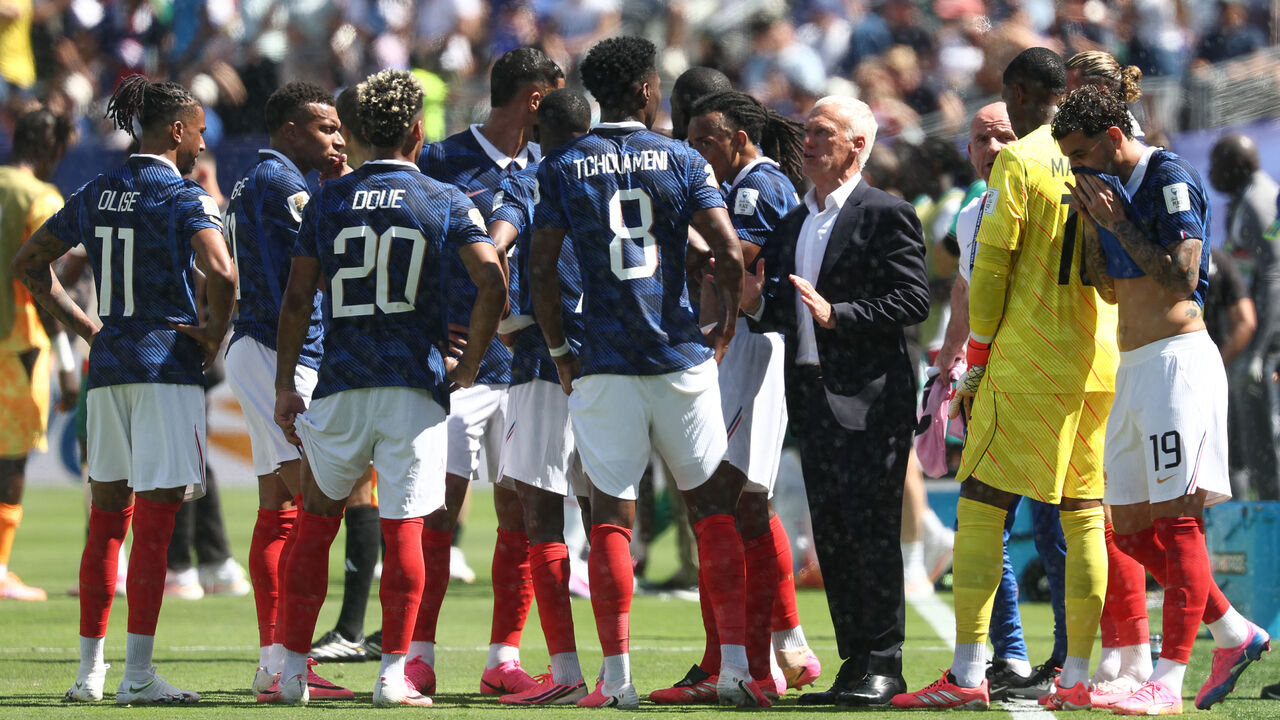
But all should be fine for Les Bleus.
We've repeatedly mentioned how loaded with individual talent this France squad is, but it also stands out how young the team's core is, too. Among France's standout attackers, Ousmane Dembele is the oldest at 29. Mbappe is 27. Olise is 24. Barcola (23), Rayan Cherki (22), and Desire Doue (21) are even younger. Plus, there are several other French prodigies in Europe's top leagues. France has enough talent to be just as strong at the 2030 World Cup.
The biggest question for France during its next World Cup cycle is actually on the bench. Didier Deschamps is leaving after a nearly 15-year tenure that included one World Cup trophy in two final appearances. He's expected to be replaced by Zinedine Zidane, who will have big shoes to fill. But Zidane enjoyed a historic coaching run of his own with Real Madrid and, as a player, also led France to World Cup glory in 1998 as Deschamps' teammate. - Caio Miari
Thursday, July 9
Mbappe continues to rewrite history
We can't normalize what Kylian Mbappe is doing in his World Cup career.
The France captain, who scored a beauty in Thursday's 2-0 quarterfinal win over Morocco, has risen to the occasion on the biggest stage and has already established himself as an all-time World Cup great at age 27.
Mbappe's World Cup tally is now at 20. That's right - 20 goals in 20 matches. Remember: Miroslav Klose held the record with 16 goals up until this summer. Lionel Messi is the current World Cup scoring king with 21 goals (in 31 matches), but the Argentina icon is participating in the tournament for the last time. We can assume it's just a matter of when, not if, Mbappe will shatter every scoring record at the quadrennial event.
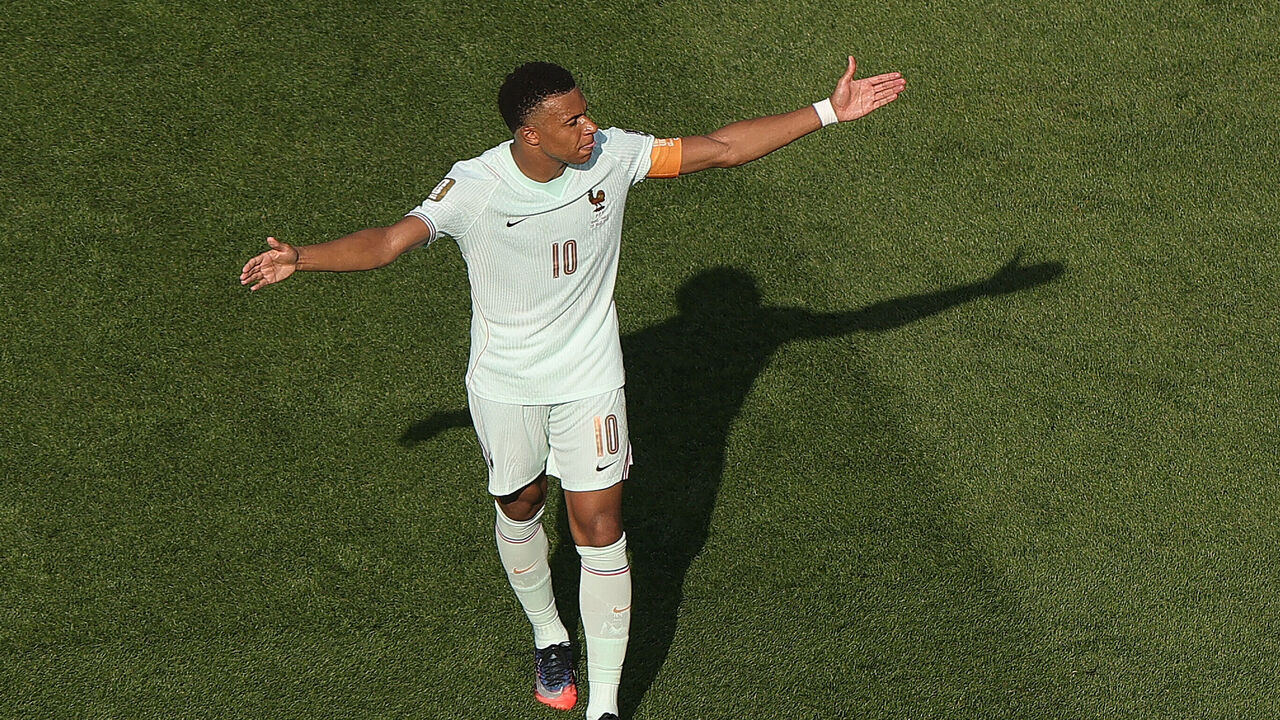
This year, he's taken the Golden Boot race co-lead with Messi (eight goals each). Here are some other mind-blowing facts about Mbappe's World Cup career:
- 12 of his goals have come in 11 knockout games
- Mbappe is the only player since 1966 with 10 goal involvements in consecutive World Cups
- His 11 goal involvements in 2026 are the most at the men's tournament since Gerd Muller's 13 in 1970
- He's also the first man with 100 goal involvements for France's national team (64 goals and 36 assists)
- Mbappe's eight winning goals in World Cup matches are the most ever
- France has never lost a World Cup match in regulation when Mbappe starts
- Mbappe has four goals in World Cup finals ... in two appearances
Mbappe is now just one win away from reaching yet another World Cup final. France is guaranteed to play at least two more times in this year's tournament, so it doesn't look like Mbappe will be slowing down anytime soon. Whether it's Spain or Belgium next for Les Bleus in the semifinal, it doesn't seem to matter for Mbappe at the World Cup. All he does is score goals and rewrite history. - Caio Miari
Tuesday, July 7
Argentina finds a way. Again.
There's something about this Argentina team in nail-biting World Cup games.
The Albiceleste booked a spot in the quarterfinals Tuesday after overcoming a 2-0 deficit - and an early Lionel Messi missed penalty - to defeat Egypt 3-2 in an instant classic in Atlanta. Argentina scored three goals in 13 wild minutes, including Enzo Fernandez's winner in the 92nd minute.
The stunning comeback shows exactly why it's so hard to take down Lionel Scaloni's side. Obviously, having Messi helps; he's now up to 21 career World Cup goals, including a tournament-leading eight in 2026. Messi contributed with an assist and the equalizing goal Tuesday.
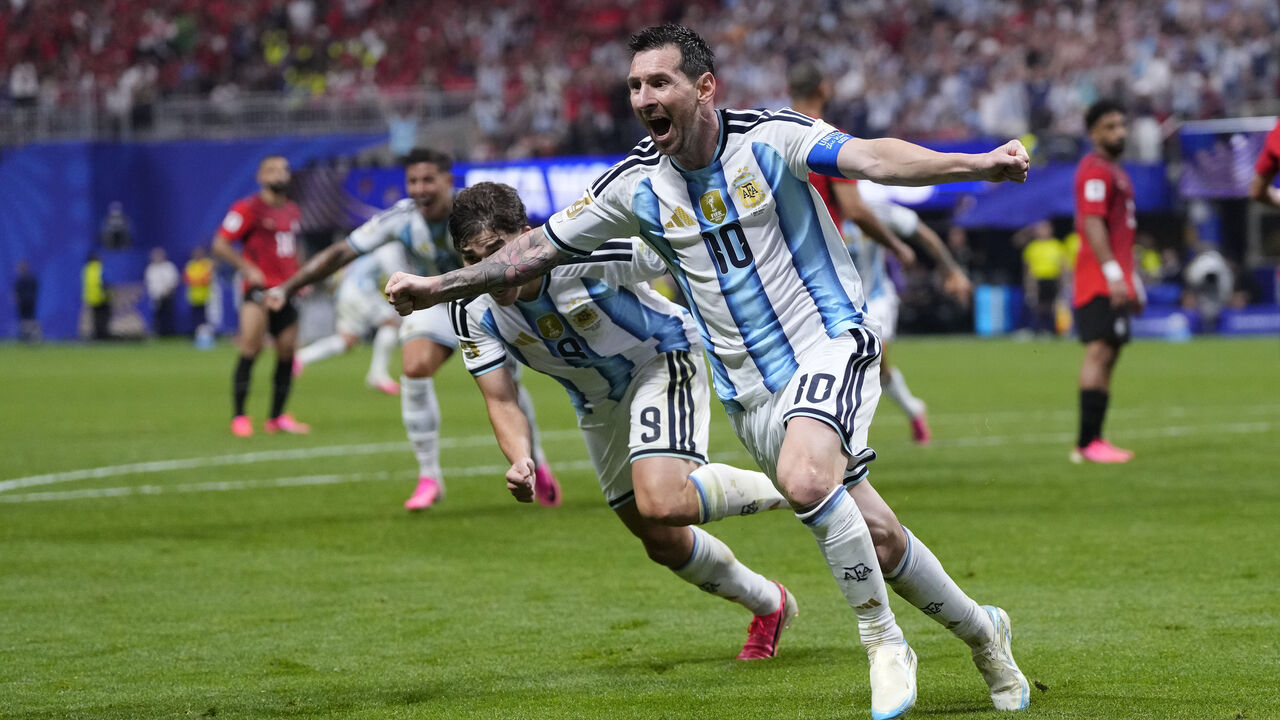
But there's more to this squad; Scaloni's men just refuse to quit.
Argentina might be the most mentally tough team in the entire tournament. There's inherent belief that, as long as the players can keep it close, an unexpected late event will go their way. Sometimes it's Messi being Messi. Sometimes it's Emiliano Martinez making an unreal save. Sometimes it's Fernandez scoring on a header after a perfect cross from a striker, like Tuesday. We've seen this happen repeatedly in the past two World Cups, and it's not just luck (though a little bit of that never hurts, of course.)
Tuesday's win is the latest great example of Scaloni's Argentina refusing to go down, but it's not the only one. That's also how Argentina ended Cape Verde's Cinderella run in extra time in the round of 32.
Argentina plays to its opponents' strengths and steps up against tougher rivals, too. Everything was apparently lost after it squandered a 2-0 lead to the Netherlands in the final moments of their blockbuster 2022 quarterfinal. Argentina still won on penalties. In the final, Kylian Mbappe scored two goals after the 80th minute and another equalizer in extra time, giving France all the momentum before the shootout. Not against Argentina, though. Messi and Co. survived and came away with a monumental triumph, and the trophy.
Messi's supporting cast has been strong in recent years. And several players who aren't necessarily in the best form for their clubs rise to the occasion during international duty. To name a few: Martinez, Nahuel Molina, and now Fernandez and Cristian Romero, who also scored Tuesday. Angel Di Maria often fell into this category, too.
On paper, France, Spain, and England boast more talented starting XIs than Argentina among the teams still alive at the World Cup, and they each have fewer questions marks. But we can't overlook the Albiceleste even if it feels like they're struggling and barely surviving right now. Argentina has Messi and always seems to find a way to flip the script in its favor no matter who's on the other side. Egypt was just the latest victim. - Caio Miari
Monday, July 6
CR7 falls short again
Cristiano Ronaldo's World Cup career ended Monday with Portugal's 1-0 loss to Spain in Dallas. The 41-year-old, who's still chasing his 1,000th career goal, has said multiple times that he doesn't plan to stick around and play what would've been his seventh World Cup on home soil in 2030.
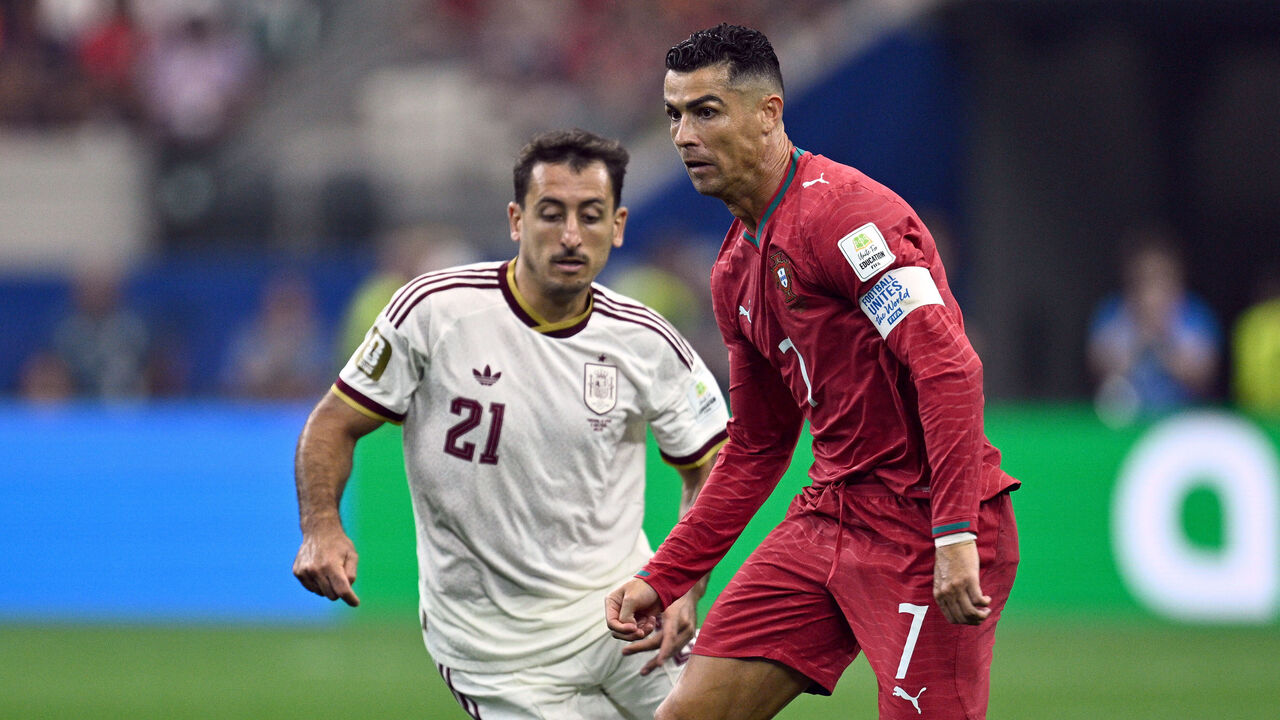
Ronaldo entered this World Cup with a lot at stake. Of course, the Portugal captain didn't have to prove himself to anybody at this point; he's already one of the greatest players of all time and the leading scorer in men's international soccer. However, the marquee quadrennial tournament offered him prime opportunities to add to his legacy. There were great expectations that a talented Portugal squad could help him lift the World Cup even if he's not the team's best player anymore.
That wasn't the case, though.
Ronaldo did steal headlines in North America this summer. He's now one of only two players to play in six different World Cups, along with his eternal rival Lionel Messi. Ronaldo also became the first player to score in six different editions of the tournament, and he broke Eusebio's World Cup record for the most goals by a Portuguese player. Plus, Ronaldo finally scored for the first time (!) in the knockout stage, bringing his World Cup tally to 11 goals.
But Ronaldo's World Cup dream ultimately didn't come true; he never really came close to winning the World Cup. And while Ronaldo was often rewriting history in recent World Cup appearances, he didn't leave a great impression in 2022 or this summer. Four years ago, he started two games on the bench. This year, his spot in the starting XI was a hot topic again. Ronaldo - like Portugal at the World Cup - was mostly quiet during Monday's uninspiring loss to Spain.
There was a lot of pressure on him to guide Portugal to a World Cup title. That only intensified after Messi led Argentina to glory four years ago and delivered the biggest blow yet in the era-defining Messi-Ronaldo rivalry.
❤️🩹🥺 Cristiano Ronaldo, in tears.. pic.twitter.com/UJqciHNBjp
— Fabrizio Romano (@FabrizioRomano) July 6, 2026
Ronaldo's career with Portugal is essentially untouchable. He was the face of the Portuguese teams that won the Euros in 2016 and the Nations League in 2018-19 and 2024-25. He changed the nation's soccer culture and helped the country become a perennial contender. However, he didn't get to the finish line on soccer's biggest stage. Ronaldo put Portugal on another level, but there will always be one missing piece. - Caio Miari
Saturday, July 4
Canada's next step
Jesse Marsch has done an exceptional job lifting Canada to another level since taking over the men's program. More than anything, he's instilled belief in the team and country; Canada belongs on this stage and in these conversations about deep World Cup runs. The gap is undeniably closing.
Canada's tactical approach Saturday against Morocco was excellent. The Canadians owned the opening half. Instead of an all-out high press, Canada sat slightly deeper in a mid-block and waited for the right time to initiate its pressure - often when clunky Moroccan center-back Redouane Halhal received the ball in his own half. Canada looked quick and aggressive, and Morocco looked slow and overwhelmed; Canada had 13 touches inside the penalty area compared to just one for Morocco in the first 45 minutes.
The only thing missing, of course, was a goal. At a certain point, the players need to deliver the killer blow and make all that pressure count. It's a tale as old as time in this sport.
At this elite level, where the margins are so thin, capitalizing on your chances is non-negotiable. Against the best sides in the world - and Morocco is certainly one of them - you simply cannot keep letting them off the hook by missing chances when you're in control of the match.
Canada (once again) wasted glorious opportunities, with Jonathan David and Tani Oluwaseyi the biggest culprits. It was all very ominous, and in stark contrast to Morocco, which scored three goals on five shots in an eventual 3-0 win. Canada fell asleep on a set piece early in the second half - an inexcusable error - and had a turnover in the attacking end, and Morocco turned that into two goals to effectively put the last-16 affair to bed. Those are the margins. The final scoreline was harsh and not really reflective of the action on the pitch, but the sport can be harsh and unforgiving.
Canada, the team and the country, should be very proud of this summer's run. It was, quite literally, historic for the men's program. But Canada should also be disappointed with the lack of finishing and look critically at what went wrong. That's how you raise the bar and get better. That's how you push the program forward and move on from moral victories to real ones. That's how you make sure you don't miss out when a World Cup quarterfinal berth is right there for the taking.
Injuries notwithstanding, Canada needs to develop - or discover - more technical quality and ruthlessness to leap up another level. Make no mistake, that next step will be the hardest one yet to make. - Gianluca Nesci
Friday, July 3
Cape Verde forever
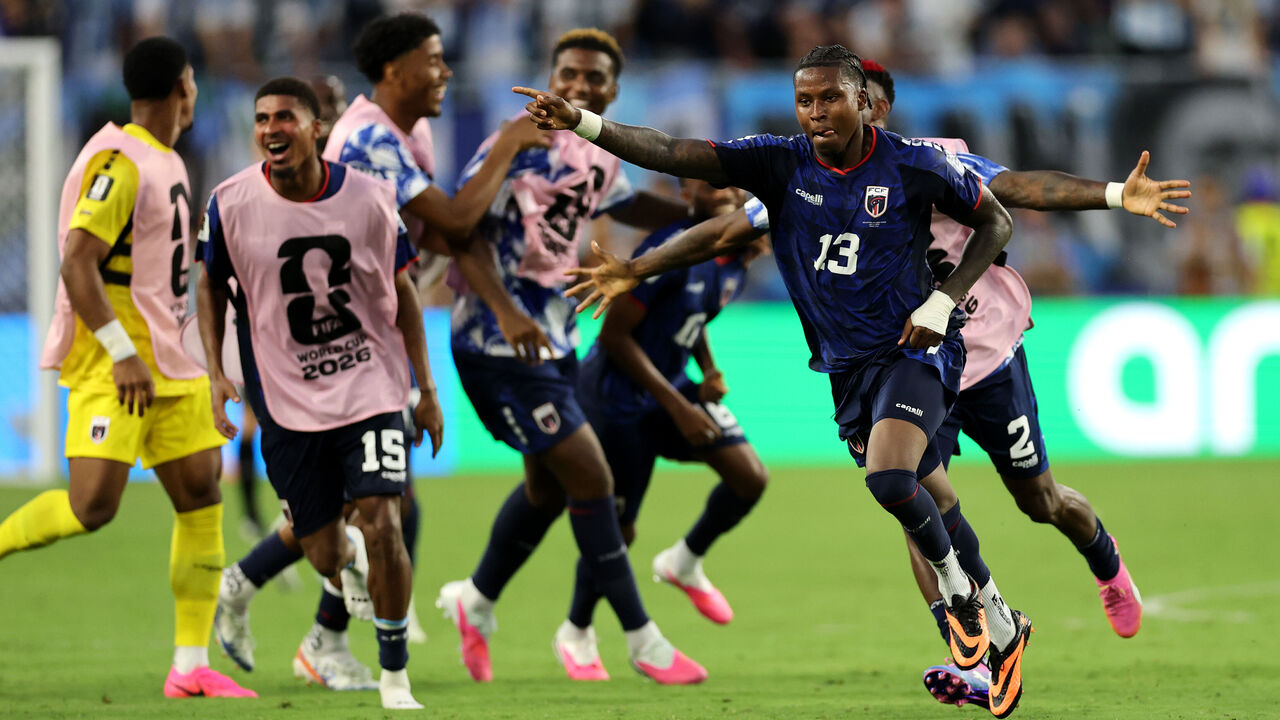
Cape Verde didn't win a single match at the 2026 World Cup. The record book will show that the Blue Sharks' tournament debut ended after three draws and one loss. Numbers have perhaps never been so misleading.
Cape Verde exited the World Cup on Friday after delivering one of the most unforgettable performances in tournament history, leaving an indelible mark on the competition by pushing reigning champion Argentina to the brink in an extra-time thriller that will live very long in the memory.
A win for the tiny island nation - the smallest ever to reach the World Cup knockouts - would've instantly catapulted to the top of the list for greatest shocks in the almost 100-year history of the tournament. Ultimately, Lionel Messi and Argentina had just enough to get over the line and avoid the upset.
Cape Verde lost, yes, but its players became legends in the process.
Sidny Lopes Cabral, the 23-year-old Trabzonspor full-back, scored the best goal of the tournament to date, and delivered an instantly iconic celebration to match; Pico Lopes, a 34-year-old defender for Irish club Shamrock Rovers, was a rock at the back; Deroy Duarte will remember his goal against Argentina for the rest of his life.
And then there was Vozinha.
The 40-year-old goalkeeper, a total unknown before the World Cup, became a global star following his clean sheet against Spain (he's now closing in on 20 million Instagram followers, for those keeping track). He almost outdid himself versus Argentina, denying Messi on several occasions and finishing the tournament with 18 saves in total. The only netminders 40 or older to make more in a single World Cup? Just two titans of the position: Peter Shilton and Dino Zoff. Company doesn't get much more distinguished for a shot-stopper.
Vozinha's currently a free agent after leaving second-tier Portuguese club Chaves. He won't be without a club for long.
"We dignify what our country is," head coach Bubista said after his team's heroic performance in defeat. "More than anything, we are proud of our players. We showed our identity."
No matter what happens from here, Cape Verde nearly ousting Argentina with a fearless, tactically disciplined, and genuinely excellent performance will go down as one of the most enduring stories of the tournament. - Gianluca Nesci
Thursday, July 2
Luka the legend
If this was Luka Modric's last World Cup match, it was one wild farewell.
The Croatian captain and icon, 40, left absolutely everything on the pitch in Toronto in his side's dramatic 2-1 defeat to Cristiano Ronaldo and Portugal. Modric, the second-oldest player on the field behind only his former Real Madrid teammate, was everywhere, showing the incredible box-to-box engine that has been a staple of his game since he made his international debut two decades ago. Even going up against Portugal's esteemed midfield, Modric still stood out, acting as the focal point for his team until the last.
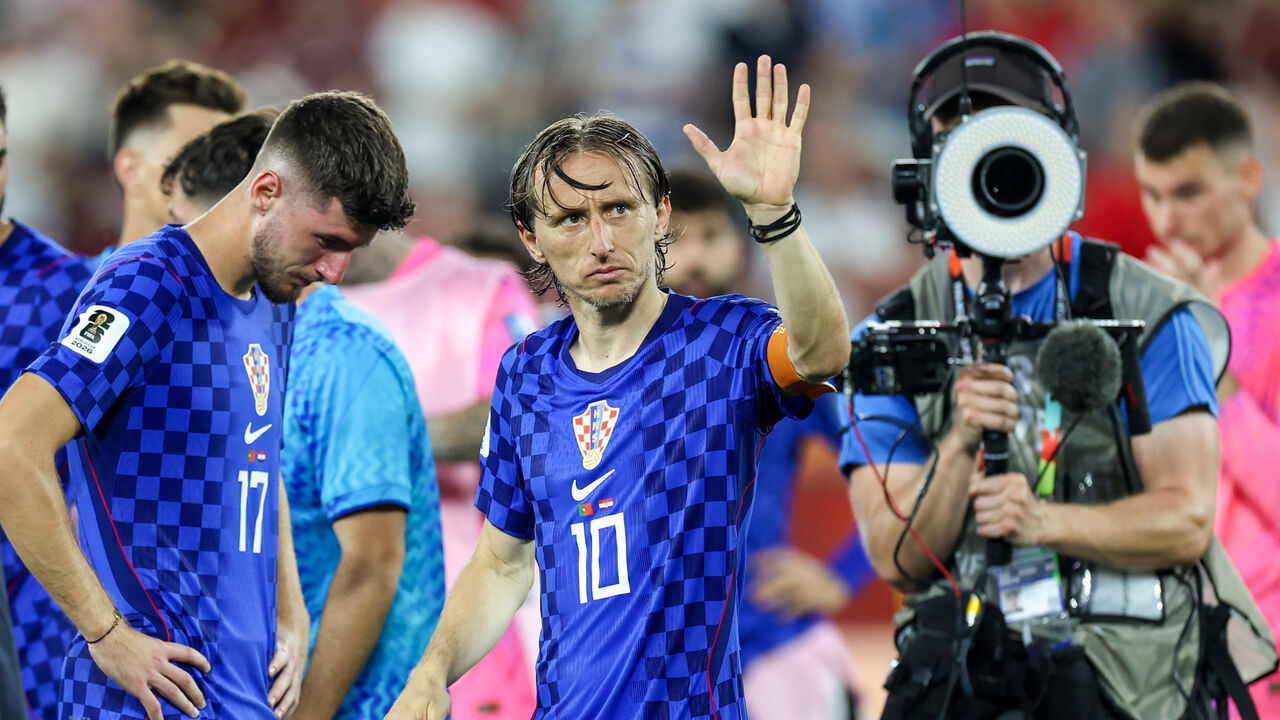
Modric, like his country as a whole on the football scene, has always punched well above his weight. He's never been the biggest, fastest, or strongest player on any team at any point in his decorated career. But he has always been among the smartest, most intuitive, and most enjoyable to watch. Amid all the chaos - especially in Thursday's dizzying affair - he was a constant, composed presence who held everything together in midfield.
It's no wonder AC Milan are desperate to keep him for another year in what would be his age-41 season.
Modric has arguably been the third-best player of his generation behind only Ronaldo and Lionel Messi. He broke the vaunted duo's decade-long Ballon d'Or hegemony, won the Golden Ball as the best player at the 2018 World Cup, and led his nation to second- and third-place finishes at the tournament.
The greatest player in Croatian history, Modric earned his 200th international cap earlier in this summer's World Cup and was honored by teammates and fans on the pitch to mark the occasion. It will be difficult to digest in the immediate aftermath of such a devastating loss, but those celebrations, with Modric being tossed in the air by his adoring squad, will eventually be the defining moment of the tournament for the Croatians.
Ronaldo called him a "legend" after the match, and Portugal boss Roberto Martinez succinctly summed up his brilliance after watching Modric nearly send his side home.
"There are not many times when you speak about the thinking part of the game; everything is about the tactics, the technical aspect, the physical aspect," Martinez explained. "Not many times do we talk about a player who can put the foot on the ball and make a decision. I think Modric is a beautiful example of that. Depending on how the game goes, he finds his pace, and he makes the right call."
Father Time remains undefeated, but Modric gave him one hell of a fight. - Gianluca Nesci
Wednesday, July 1
Can U.S. cope without Balogun?
What a roller-coaster ride for Folarin Balogun on Wednesday.
The U.S. striker had a goal (correctly) ruled out for offside, then opened the scoring in the first half, and then got sent off after a VAR-assisted review for "serious foul play" in his team's win over Bosnia and Herzegovina.
Was this worthy of a red?
For viewers in U.S. only:
This play is being reviewed for a potential red card against the US pic.twitter.com/EdyPpgpycA
— FOX Sports (@FOXSports) July 2, 2026
For viewers in Canada only:
After a VAR review Folarin Balogun has been SENT OFF!
— TSN (@TSN_Sports) July 2, 2026
Do you agree with the call?#FIFAWorldCup pic.twitter.com/sMkIEQD2JK
It seems extremely harsh, based on the precedent that's been set at this tournament already. Lionel Messi, remember, was spared a card earlier in the competition for something very similar versus Algeria. Messi's foul was arguably worse than Balogun's - his studs were higher up on the calf and he was actively trying to make a tackle. Where's the consistency?
Obviously, you have to be in control of your body on the pitch, and Balogun rakes his studs down the Achilles of Tarik Muharemovic. But there's certainly no intent on the play. Balogun, if anything, is simply trying to plant his foot, and the entire situation looks like an accidental (though unfortunate and painful) incident. These plays always look infinitely worse in slow motion, especially when the referee is being shown still images on the monitor and using those pictures to make a final decision.
The Americans advanced despite the red card - they actually added to their lead after going down to 10 men - but the loss of Balogun through his automatic red-card suspension (which can't be appealed) now looms very large going into a last-16 meeting with Belgium.
Balogun's pace, clever runs, and relentless movement would've been a nightmare to handle for a weak Belgian backline that's been wildly unconvincing at the tournament so far. Can Ricardo Pepi, the likely replacement for Balogun, wreak the same kind of havoc? - Gianluca Nesci
England robbed of penalty?
England was furious with referee Adham Makhadmeh after the match official decided not to award the Three Lions a penalty for an apparent foul by DR Congo goalkeeper Lionel Mpasi on Harry Kane late in the first half of Wednesday's last-32 contest.
Makhadmeh actually gave DR Congo a free-kick on the play, gesturing that he believed Kane was guilty of a dive. Frankly, it's a shocking decision when you review the footage, as there's clear contact on Kane's foot ...
For viewers in U.S. only:
Another look at England's play in the box with Harry Kane where no penalty was called pic.twitter.com/FrXIBdg9tz
— FOX Sports (@FOXSports) July 1, 2026
For viewers in Canada only:
Harry Kane thinks he has a shout for a penalty but the referee signals that he dove.#FIFAWorldCup pic.twitter.com/Gkiht2VMrL
— TSN (@TSN_Sports) July 1, 2026
Even more strange: if the referee considered this a dive, why didn't he book Kane? None of it makes sense. Even if you make the argument that Kane was dragging his leg and "looking" for the contact, he's not obligated to avoid it as the attacking player who has worked himself into an advantageous position - that's the goalkeeper's responsibility, and Mpasi obviously fails to do so.
England managed to turn the game around in the second half thanks to two goals from Kane - a header and a stunning right-footed strike - to make this entire debate moot. But it was still a baffling decision. - Gianluca Nesci
England must dig deep
We're about to find out what Thomas Tuchel's England side is really made of.
The Three Lions were rocked by an early Brian Cipenga goal in their last-32 clash with DR Congo, taking a sucker punch in just the seventh minute.
For viewers in U.S. only:
DR CONGO STUNS ENGLAND IN THE 7TH MINUTE 🇨🇩
— FOX Sports (@FOXSports) July 1, 2026
Brian Cipenga makes it 1-0 with a sensational goal and celebration! pic.twitter.com/7g4yphNYK4
For viewers in Canada only:
DR CONGO OPEN THE SCORING AGAINST ENGLAND!
— TSN (@TSN_Sports) July 1, 2026
Brian Cipenga scores his first international goal to shock England and take the lead for DR Congo.#FIFAWorldCup pic.twitter.com/OGKD6m8cFL
Tuesday, June 30
Mexico feeding off Azteca
Mexico's Estadio Azteca is a true footballing cathedral that has few equals, if any at all.
El Tri have taken full advantage of the incredible atmosphere at the iconic stadium throughout the 2026 World Cup, and that trend continued against Ecuador in the round of 32.
Just listen to this crowd pop when Julian Quinones thundered home the opening goal in Tuesday's knockout contest ...
For viewers in U.S. only:
MEXICO TAKES THE LEAD OVER ECUADOR AND THE STADIUM GOES WILD 😱
— FOX Sports (@FOXSports) July 1, 2026
Julián Quiñones does it again for El Tri! pic.twitter.com/2Z6RqxenuH
For viewers in Canada only:
MEXICO STRIKES FIRST ON THE BREAK!!
— TSN (@TSN_Sports) July 1, 2026
Julián Quiñones has his moment in front of the home crowd!#FIFAWorldCup pic.twitter.com/zw7OqkX0nm
Raul Jimenez's goal to double the advantage later in the first half elicited an equally delirious crowd response.
Doing it against this opposition, in particular, is noteworthy.
Ecuador is one of the most defensively resolute national teams in the world. The last time Sebastian Beccacece's squad conceded two goals in a single match was over two years ago. El Tri scored two in 31 minutes.
Coming into the tournament, Mexico hadn't won a World Cup knockout game since 1986, when the nation last hosted the competition. The dreaded "quinto partido" curse - Spanish for "fifth game" - hung over the team like a dark cloud. It's finally been lifted. Boosted by boisterous home support, Javier Aguirre's side is only the third team in history to open the World Cup with four consecutive victories while not conceding a single goal.
And things could still get even better.
Mexico's last-16 match will also be played at the Azteca. On the evidence of this tournament so far, beating Mexico in Mexico looks nigh impossible. Either England or DR Congo will be next to try and accomplish what South Africa, South Korea, Czechia, and now Ecuador couldn't. - Gianluca Nesci
Monday, June 29
Did Germany get jobbed?
One of the great certainties in world football just got upended: Germany, for the first time ever, has lost a World Cup shootout.
It feels weird just writing that.
The four-time champion suffered a seismic 4-3 defeat on penalties to Paraguay, exiting the tournament early once again. The Germans had won all four of their previous World Cup shootouts, but showed uncharacteristic nerves from the spot as Kai Havertz, Nick Woltemade, and Jonathan Tah all failed to convert from 12 yards; the big defender's effort was the worst of the bunch, as he skied his shot well over the crossbar.
But should he (and Germany) have even been in that position to begin with?
Tah scored what he thought might be a potential match-winning goal when the contest was still tied 1-1 in extra time. His thumping header, however, was called off for a foul on Paraguayan goalkeeper Orlando Gill after a review.
You be the judge ...
For viewers in U.S. only:
A closer look at the foul that negated Germany's goal in extra time pic.twitter.com/JsUdxf36EQ
— FOX Sports (@FOXSports) June 29, 2026
For viewers in Canada only:
GERMANY THOUGHT THEY HAD THE LEAD BUT IT IS CALLED OFF!
— TSN (@TSN_Sports) June 29, 2026
Jonathan Tah finishes the header but the goalkeeper was fouled in the process.
Was this the right call?#FIFAWorldCup pic.twitter.com/oodcqw8pk0
The more you see it, the softer it looks.
Pierluigi Collina, the iconic ex-official who now serves as the chairman of the FIFA Referees Committee, said before the tournament that there would be added focus on blocking infractions inside the penalty area during set pieces. Even then, the final call that determined Waldemar Anton had fouled Gill was tenuous at best. There needed to be a "clear and obvious" error to overturn the on-field decision - that's always been the VAR standard - but even after watching the incident multiple times, is there really enough evidence to say Anton clearly committed a foul? Not for me.
Goalkeepers continue to be the most protected players on the pitch, and Gill certainly benefitted from that fact after the slightest contact with Anton.
Make no mistake: Paraguay was a worthy winner for showing the kind of poise from the penalty spot that Germany badly lacked. But La Albirroja were fortunate to get to that point. - Gianluca Nesci
Are you not entertained?!
The group stage at this summer's World Cup, despite fears about a dilution in quality with 48 teams, was brilliant from start to finish. The knockout stage, however, is already hitting another level. There's simply nothing like do-or-die football at the World Cup.
There wasn't a single stoppage-time goal in the knockout phase of the 2022 tournament in Qatar. We've already had two of them in as many matches this time around.
Canada's instantly iconic win Sunday - a landmark moment for the men's program - was immediately matched by Brazil on Monday, as Gabriel Martinelli slotted home a 95th-minute goal to break Japan's heart.
The Selecao were on upset watch after conceding the opener in the first half, but they stormed back for the win in dramatic fashion, punishing Japan for retreating deep too early and eventually finding the stoppage-time winner with one of the final kicks of the ball in Houston.
Martinelli's strike, teed up by a smart pass into the box from Bruno Guimaraes, is the latest winner in normal time of any World Cup knockout game on record (since 1966), according to Opta.
Brazil looked lethargic and slow in the first half - perhaps weighed down by the massive expectations that always accompany any Brazilian side at the World Cup. But Carlo Ancelotti's halftime changes helped the team play with more freedom after the interval, and it paid dividends in the waning seconds.
What drama do the remaining last-32 matches have in store? - Gianluca Nesci
Sunday, June 28
Davies makes instant impact
The protracted will-he-or-won't-he saga surrounding Canada superstar Alphonso Davies threatened to overshadow the team's World Cup campaign as Jesse Marsch's men entered the knockout stage.
Fear not - the saga's over.
Davies made a triumphant return off the bench in Sunday's historic 1-0 knockout win over South Africa, entering the contest in the 75th minute when it was goalless and very much still in the balance.
Playing in a more advanced position on the left side of Canada's midfield, his impact was immediate. Davies' introduction helped tilt the field; he created a scoring chance with one of his first involvements of the game, and he forced the South African defense to drop deep and retreat close to its own penalty box each time he got the ball and threatened to drive forward.
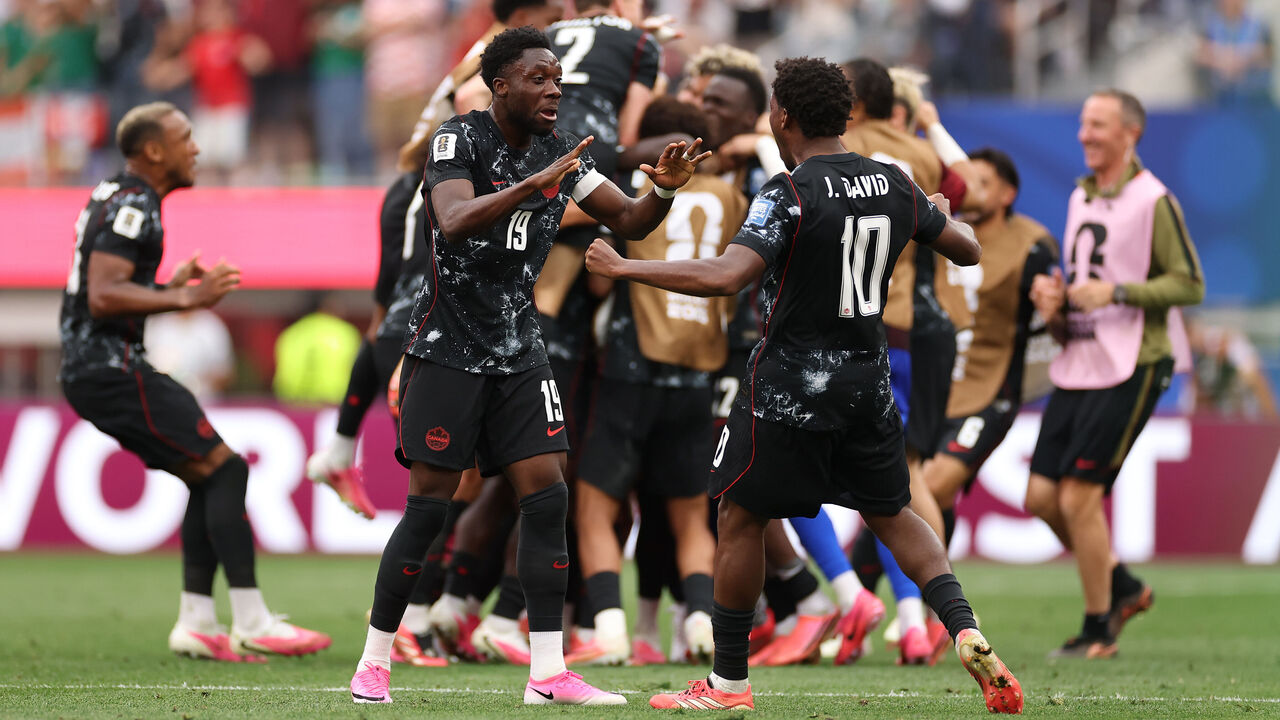
It wasn't perfect, but that's to be expected for someone who's played sparingly going back to his March 2025 ACL tear. Davies is clearly still not 100% fit. Some of his touches weren't as crisp as they usually are, and he lacked his trademark burst of obscene pace. And yet, he still made an enormous difference. It was an important reminder of the world-class quality he possesses, and what Canada has been missing for over a year. Imagine the kind of boost he can provide if he can get anything close to 100% ahead of the next round.
There was a genuine danger that Canada wouldn't go deep enough in the tournament for Davies to even get the opportunity to play after his latest hamstring setback in May. How cruel that would've been to the nation's most talented and recognizable star. With Davies looking on and acting as a decoy for the opening three games, the squad did its part to stick around long enough for its captain to appear. Now, he has the opportunity to lift the team, and country, to even greater heights.
"They deserve the right to go after a giant," Marsch said of the Canadians' impending last-16 clash with either the Netherlands or Morocco.
With Davies back in the fold, anything is possible from here against the perennial powers. - Gianluca Nesci
Canada eyes historic win
Make no mistake: Canada fully expected to be here.
Jesse Marsch identified a first-ever knockout appearance as a clear goal for his team long before a ball was ever kicked at the 2026 World Cup. Mission accomplished. But Canada wants (and indeed expects) even more.
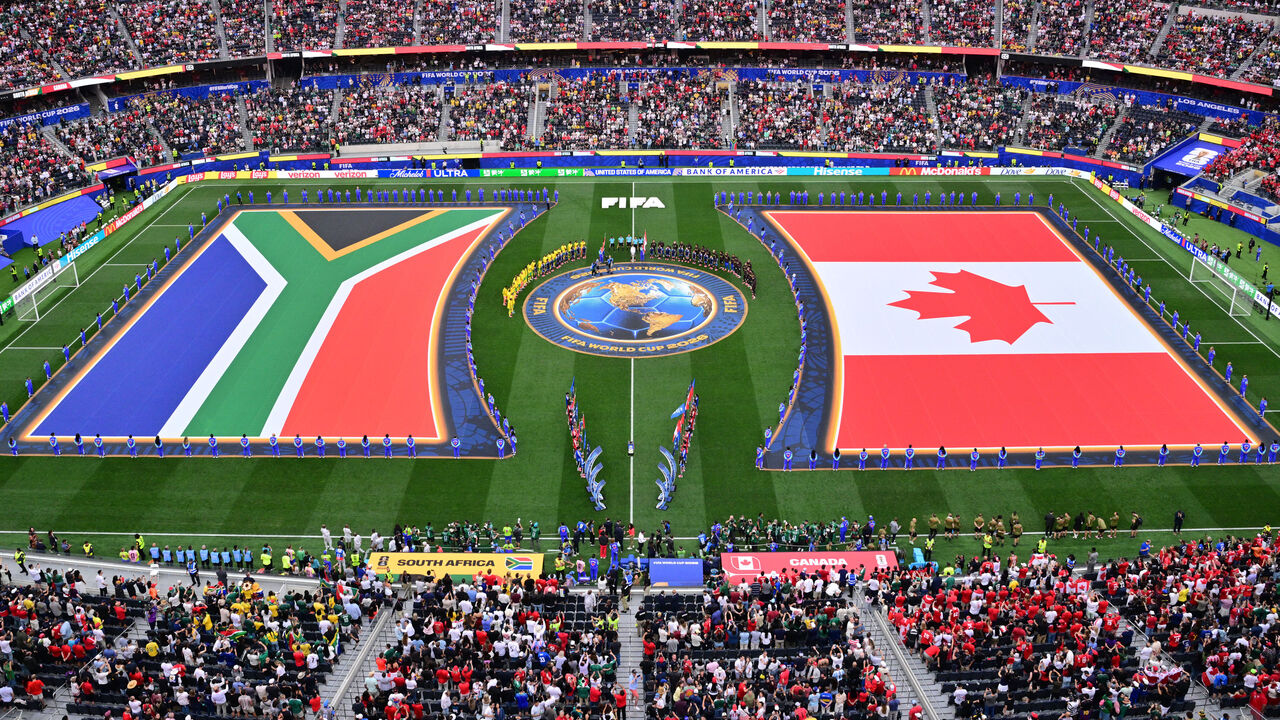
Despite losing its group-stage finale, a fortuitous outcome set up Sunday's meeting with South Africa in the round of 32; Bafana Bafana were widely expected to be ousted in the opening phase. Hugo Broos' underdog squad will long remember its fateful win over South Korea that allowed the team to reach this stage, and that should be celebrated.
But Canada is, at least on paper, the better team.
After an uncharacteristically tentative start on home soil in Toronto, Canada grew into the tournament, and the relentless pressure and aggression the team showed in the closing minutes of its loss to Switzerland was more reminiscent of what this squad has become under Marsch's leadership. If that version of Canada shows up in Los Angeles, free of some of the pressures of playing at home, the Canadians should advance to the round of 16.
If Canada comes out hesitant, though, the South Africans can absolutely take advantage and cause problems on the counterattack. It's finely poised. - Gianluca Nesci
Who ya got?
Let the fun begin.
Some surprising group-stage results yielded a lopsided knockout bracket that has France, Germany, the Netherlands, Morocco, Portugal, Croatia, Spain, and Belgium all on the same side. Co-hosts the United States and Canada also find themselves on that side of the draw.
Defending champion Argentina is the big winner here.
With red-hot record breaker Lionel Messi leading the way - literally and figuratively after his historic group-stage performance - the Albiceleste appear to have the most favorable path to a semifinal berth (although South American peer Colombia may have something to say about that).

(Source: FIFA)
For a full breakdown of how we got to the knockout phase, check out all of our group-stage analysis here.
US: Must be 21+. Gambling problem? Call 1-800-GAMBLER; Hope is here. Call (800)-327-5050 or visit gamblinghelplinema.org for 24/7 support (MA); Call 877-8-HOPENY or text HOPENY (467369) (NY).
ON: Please play responsibly. 19+. ON only. If you or someone you know has a gambling problem, call ConnexOntario 24/7 at 1-866-531-2600. Text us at 247247 or chat with us at www.connexontario.ca.